

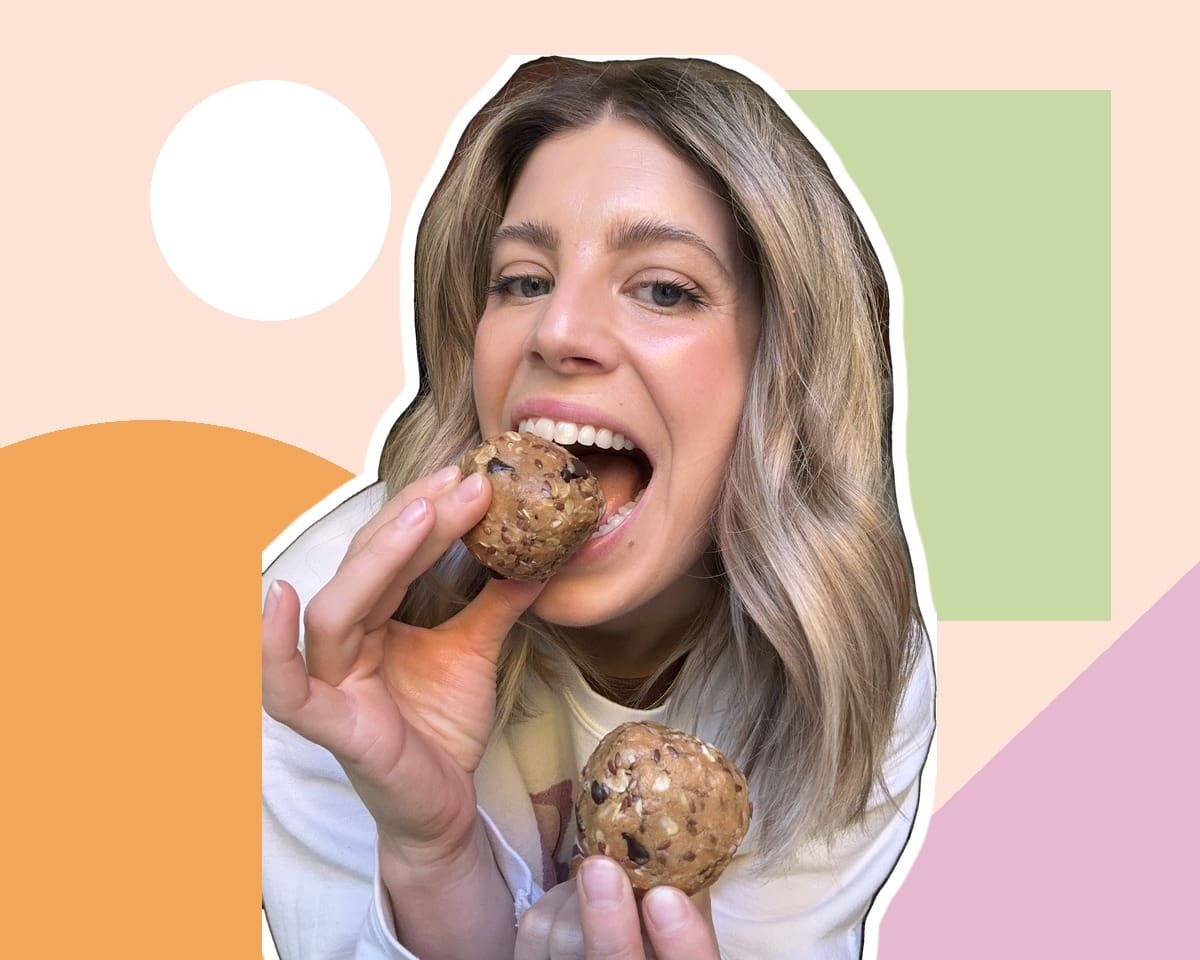




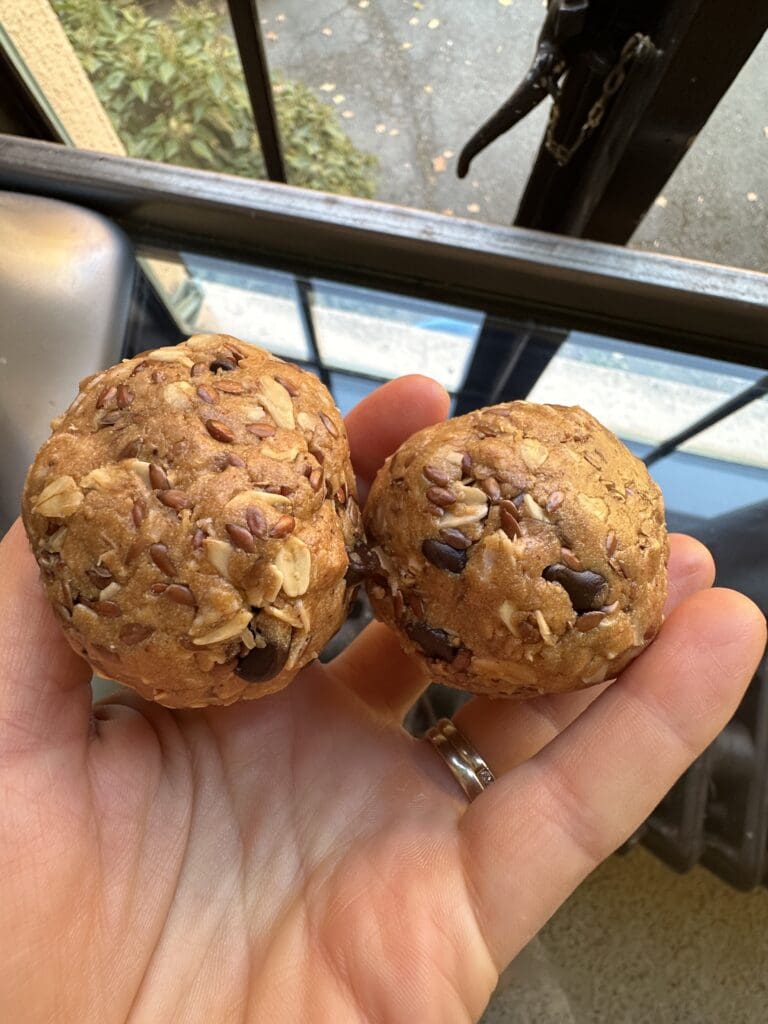
I say it’s viral… but, for now, they’re only viral among my community. This lactation cookie recipe is the top request I receive whenever someone I know has a new baby. “Lindsay, can you PLEASE make me some of those lactation cookie balls? They’re sooo good.”
I think i’ve perfected the recipe at this point, but my recipe also needs your guestimates too. If it’s too dry, add more peanut butter or honey. If it’s too wet, add more collagen or oatmeal!

If you’re dealing with a loss of supply or concerned about low supply and want to work on getting it back, check out this blog: I Lost My Milk Supply – Here’s How I Got It back
Now to what you’re really here for, here’s my lactation cookie recipe, friends:
Lindsay’s Lactation Cookie Recipe:
Ingredients:
- 2 cups oats
- ½ cup whole flaxseeds
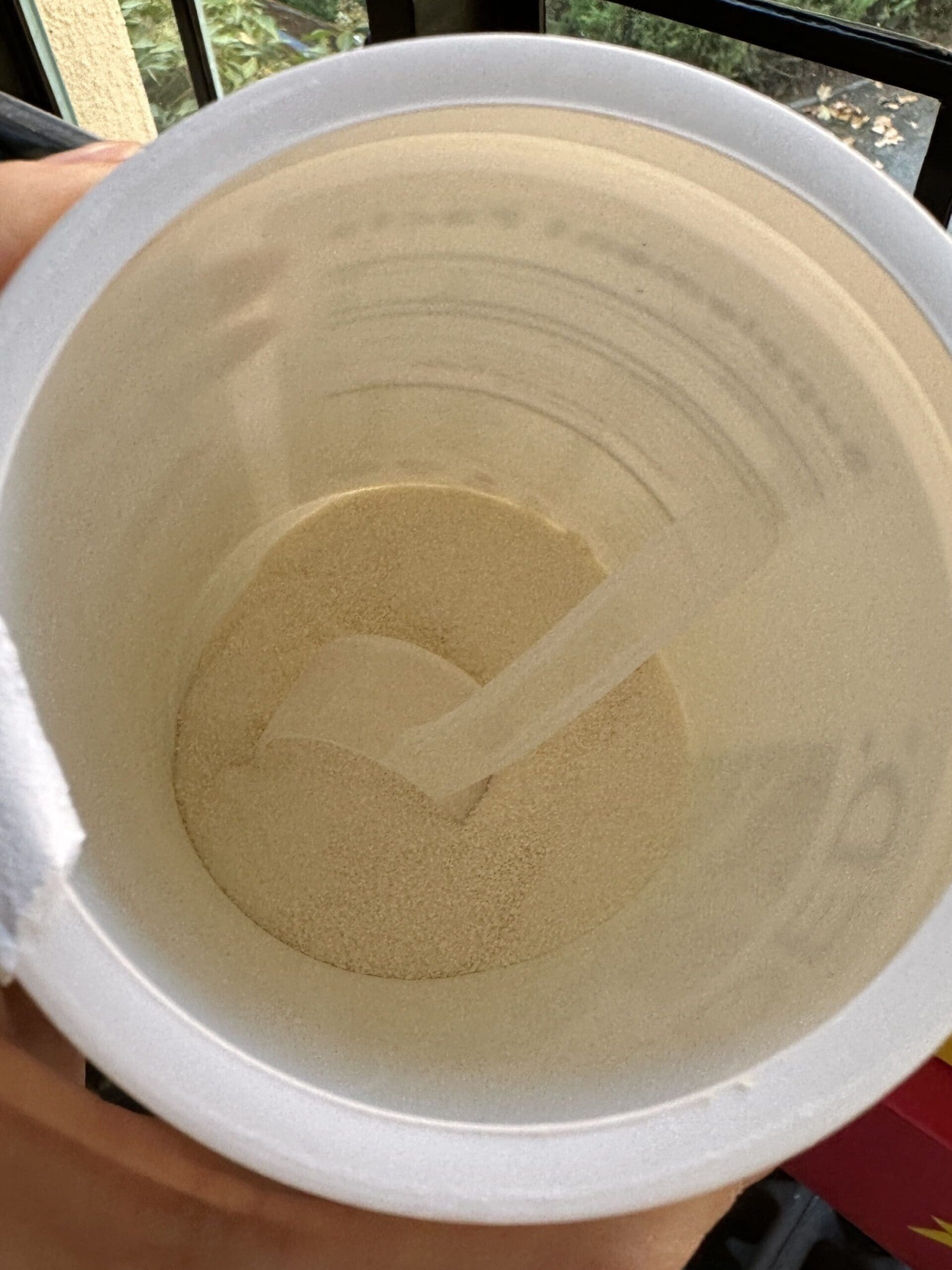
- 4 tbsp brewer’s yeast
- 1–2 cups nut butter (I mix almond + peanut often times)
- ½ to 1 cup honey
- 1 tsp vanilla
- ½ cup dark chocolate chips
- ¼ cup shredded coconut
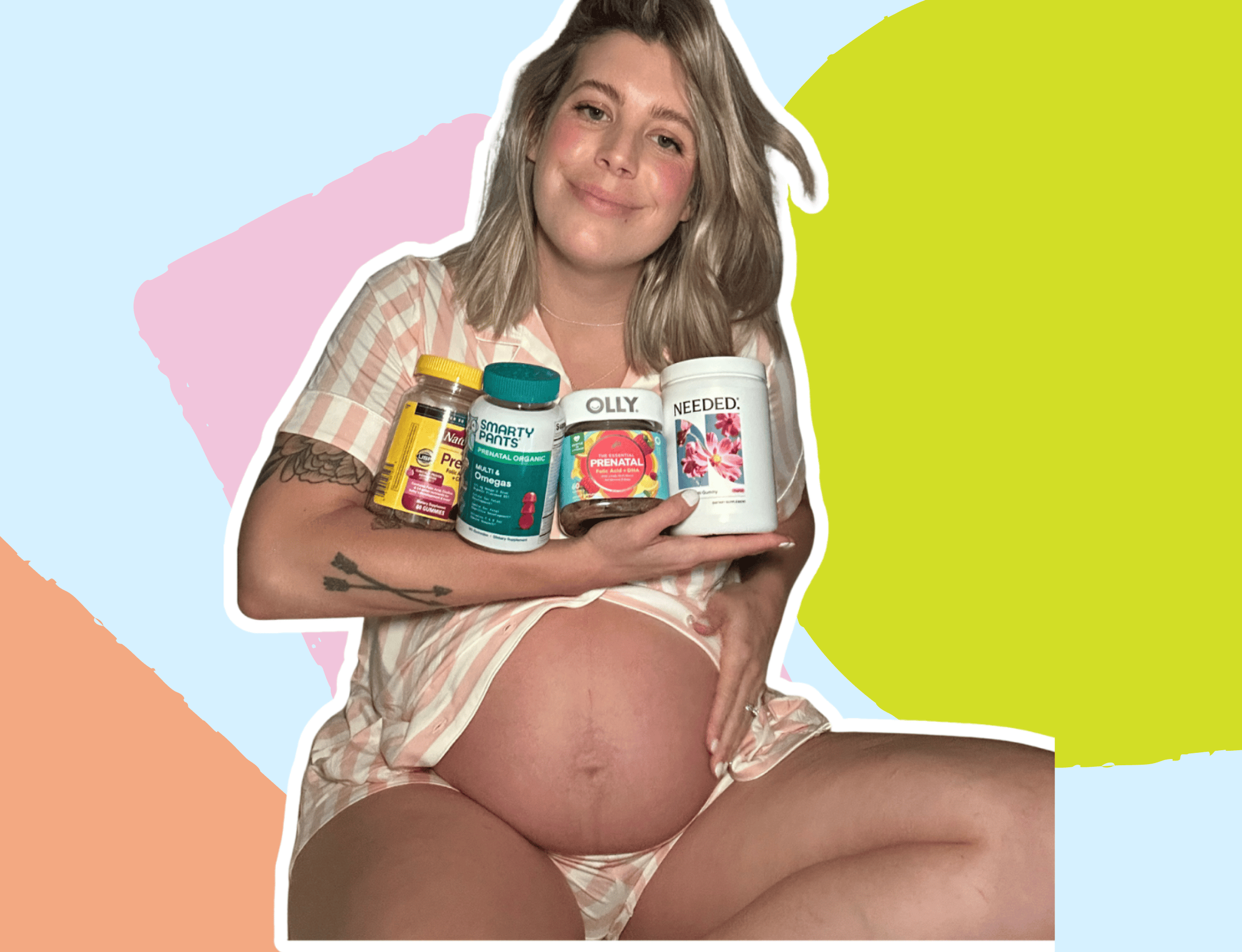
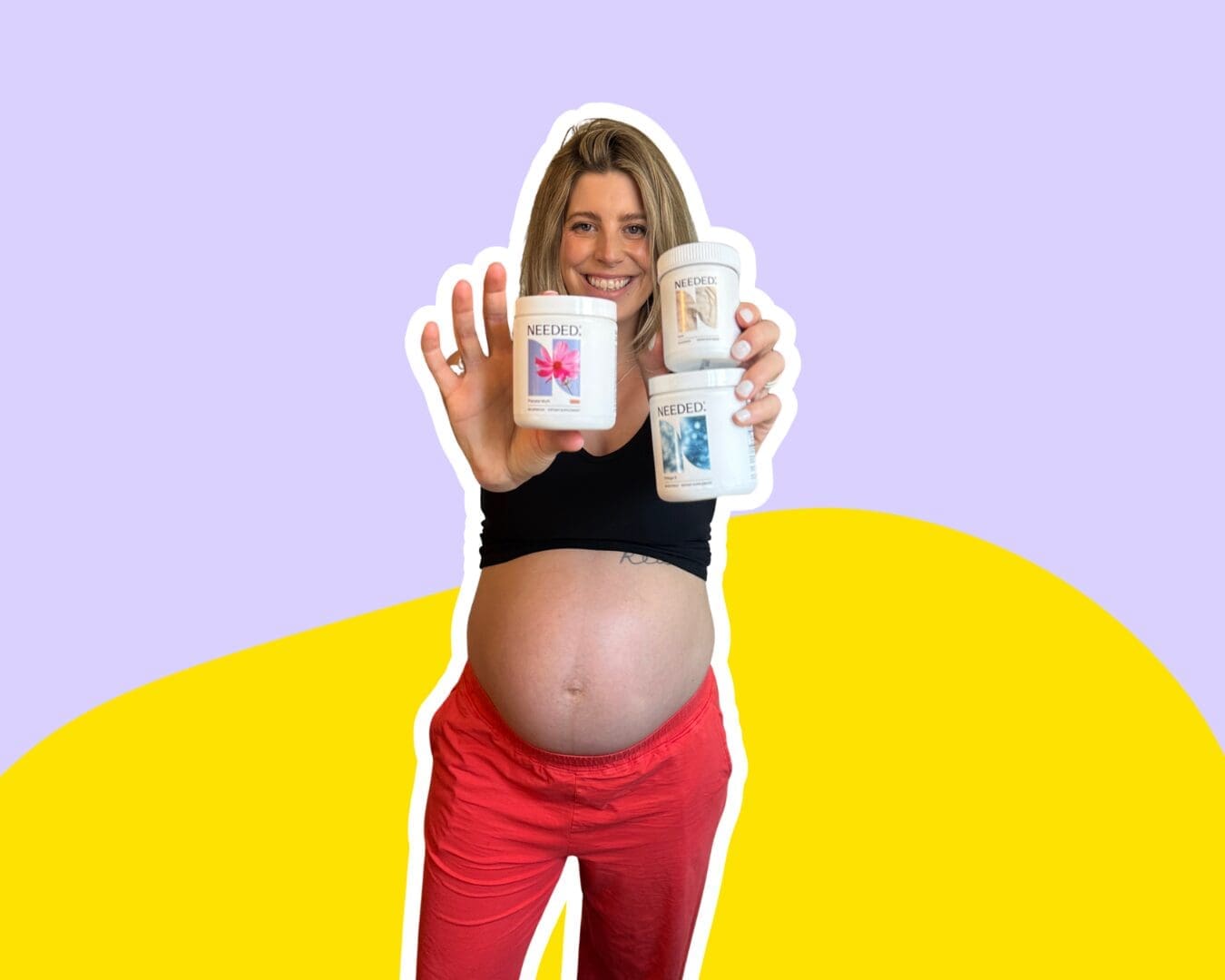
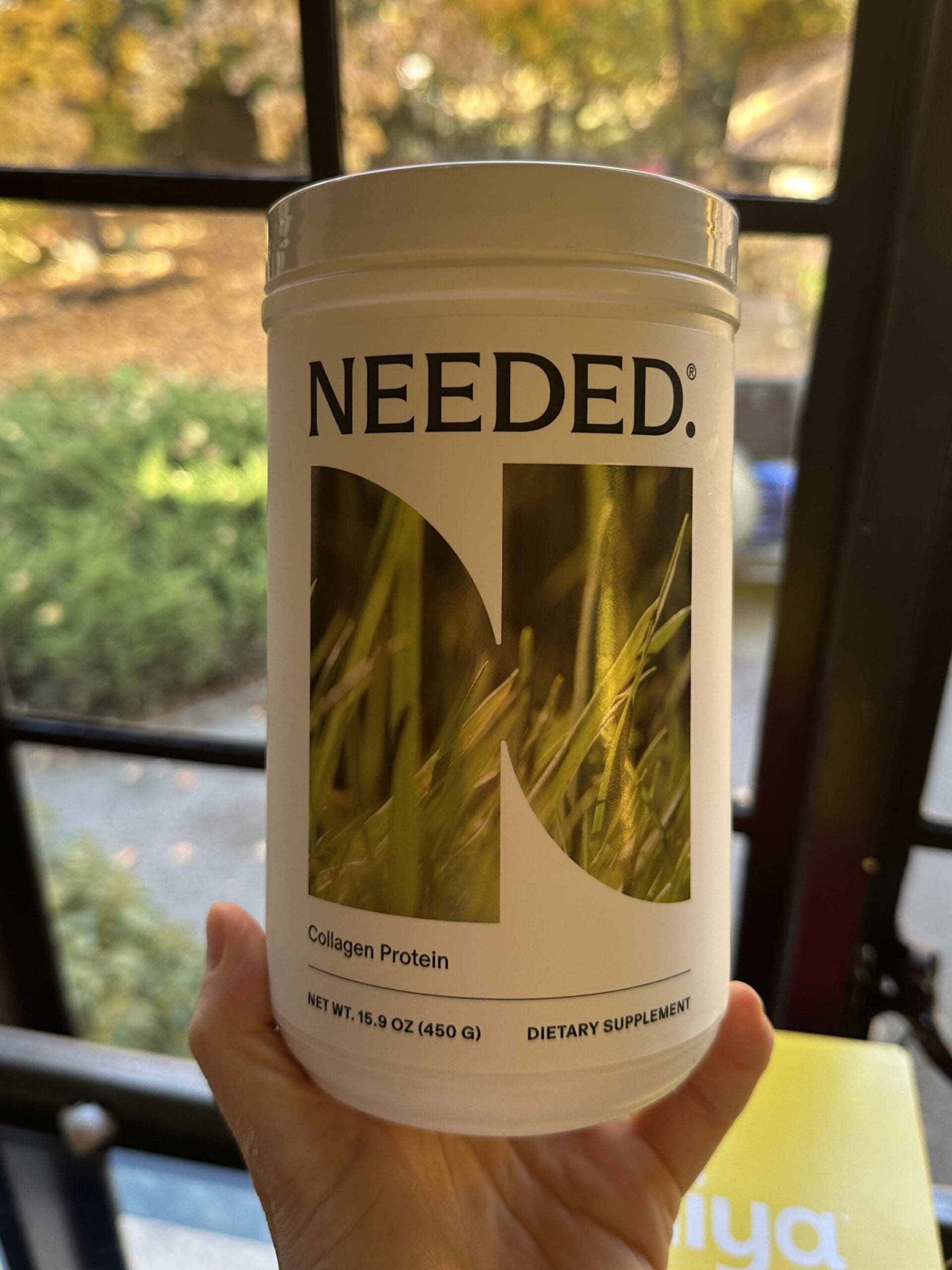
- (optional – 1/4 cup of collagen protein for an added protein boost) I use Needed’s because it’s grass-fed and sustainably sourced. Plus I have a 20% off code { HARDLAUNCHMOM } which can get you 20% off. Plus my code stacks with subscriptions!
Directions:
- In a stand mixer with paddle attachment, mix all ingredients except chocolate chips.
- Adjust oats, nut butter, and honey until you reach your preferred texture. Too sticky? Add more oats. Too dry? Add more nut butter or honey.
- Mix in chocolate chips.
- Scoop ¼ cup balls, roll tightly, and place on parchment paper.
- Chill in the fridge for 10-30 minutes, then store however you’d like. I freeze them oftentimes if I make big batches, but I gotta be honest, they are better fresh.
Note: I prefer whole flaxseeds over ground—they help keep the texture soft, not crumbly.
Ingredients that help with your milk supply:
Okay, now I just want to share out why each of these ingredients truly help with lactation and milk supply.
Brewer’s yeast
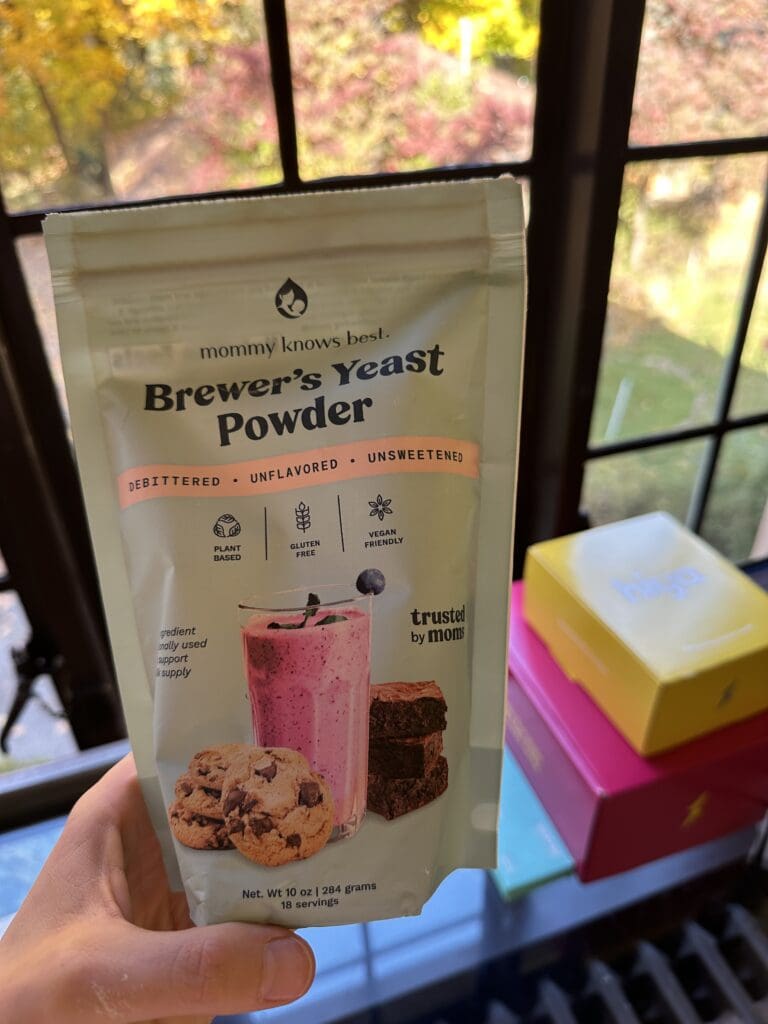
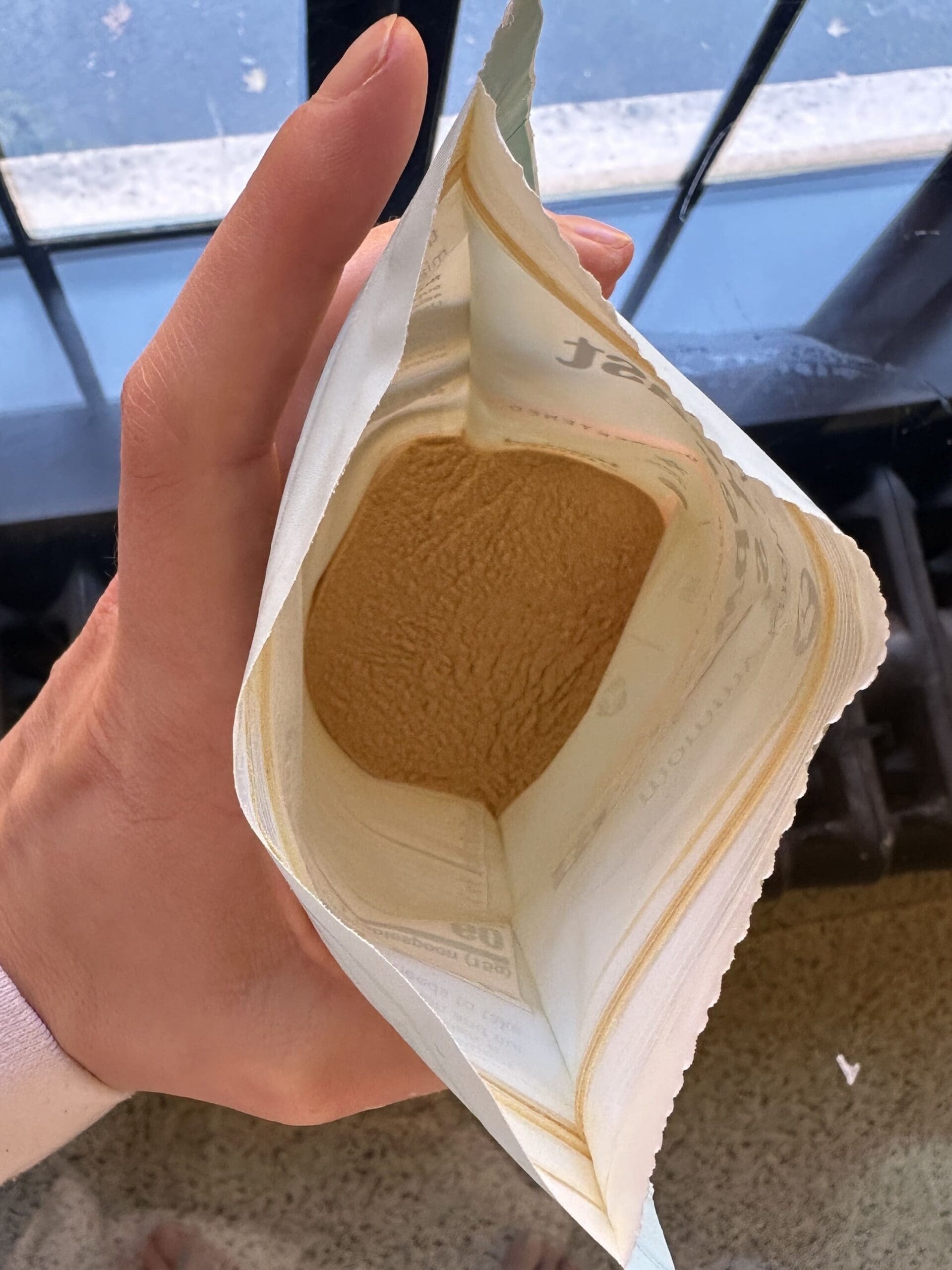
In almost every lactation recipe. Studies on supply are mixed and limited, but it reliably delivers B vitamins (B1, B2, B3, B6), protein, chromium, iron, and selenium. That’s a nice boost for energy when you’re running on broken sleep. Some moms get gassy from it, so start small. My other case study here is if I drink beer, I definitely notice my supply increase, so that’s data right?!
Collagen protein (optional)
Protein needs go up while breastfeeding, and collagen is an easy way to add some without changing the taste. It’s also a little something for you. So many of us hit the postpartum stage where hair is falling out in clumps, nails are brittle and breaking, and skin feels dry and tired. The hair shedding is a normal hormonal shift that usually peaks around three to four months postpartum and settles down. Collagen won’t stop that, but some studies show collagen peptides can support skin elasticity, hydration, and nail strength. Research on hair is still early, but collagen supplies amino acids your body uses to build keratin. I’ll take any help I can get feeling a little less frail in this season.
Oats
The classic lactation food. Most of the support comes from moms who swear by them rather than clinical research. What oats do give you is steady energy, fiber, and iron, and low iron has been linked to lower supply. They also contain beta-glucan, a fiber some believe influences prolactin (not proven, but promising).
Whole flaxseeds
Flax has plant estrogens (lignans) often credited with supporting supply, though evidence is limited. It’s also one of the best plant sources of omega-3s, which support your heart and brain. Your body converts only a little of flax’s omega-3 into DHA, the kind that reaches baby through your milk. Bonus: the fiber helps with postpartum digestion.
Nut butter
Making milk burns roughly 450 to 500 extra calories a day. Nut butter covers that with protein, healthy fats, vitamin E, and magnesium, and keeps you full between 3am feeds.
Honey
Mostly for energy and binding, with some antioxidants. Honey is totally fine for you to eat while breastfeeding; the “no honey before age one” rule is about giving it to babies directly.
Vanilla
This one is just for flavor. No milk claims here.
Dark chocolate chips
Dark chocolate brings some iron, magnesium, and antioxidant flavanols. It has a small amount of caffeine, but at this quantity it’s well within what’s considered fine while breastfeeding.
Shredded coconut
Rich in medium chain fats like lauric acid. A few studies show maternal intake can raise lauric acid levels in breast milk, and lauric acid has antimicrobial properties. It also adds fiber and more of that satisfying fat.
These cookies support your nutrition, but they don’t replace frequent feeding or pumping. If you’re truly struggling with supply, an IBCLC (international board certified lactation consultant) is your best next step.



View comments
+ Leave a comment